

2 Samuel 17:25; 19:13; 20:1–12
INTRODUCTION:
Life presents a panorama of glides, grace, and gory experiences. There are seasons of advancement and seasons of adversity, moments of celebration and moments of sorrow, days of divine visitation and days of devastating disappointment. However, the believer must understand that life is not merely a collection of random occurrences. Our decisions, relationships, loyalties, and responses to divine instructions often influence the direction of our lives.
God has given us the responsibility to exercise wisdom, make godly choices, and cooperate with His purposes so that we can turn unfavourable circumstances into testimonies of grace, victory, and honour.
Consider the story of Jabez in 1 Chronicles 4:9–10. Although his name reflected the sorrow associated with his birth, Jabez refused to allow the painful circumstances surrounding his beginning to determine the outcome of his life. His mother, going by the prevailing family report of abject poverty, woes, and worry of the ceiling effect of no progress, was forced into giving him the same verdict that runs in the family; hence the name JABEZ. But this same Jabez called upon the God of Israel, asking for divine blessing, enlargement, protection, and deliverance from evil. God granted his request.
Jabez teaches us that an unfavourable beginning does not have to dictate a disastrous ending. Through faith, prayer, wisdom, and dependence on God, a person can rise above a painful background and become a testimony of divine intervention.
The story of Amasa, however, presents a different and sobering portrait.
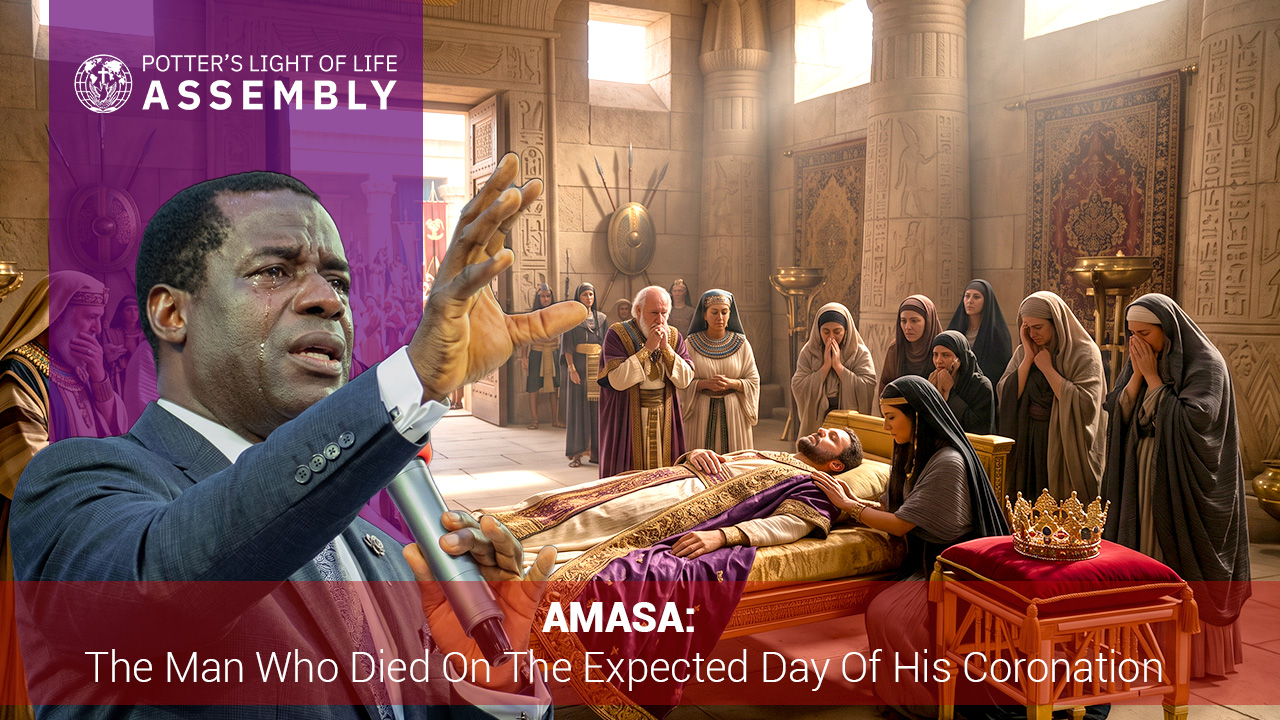
Amasa was a man who occupied a position of military importance under Absalom during one of the most turbulent periods in Israel’s history. He was related to Joab and David, and he eventually received an extraordinary opportunity to become the commander of David’s army in a circumstance that can best be described as a product of vexation of the spirit. Yet, despite this promotion, his life ended abruptly at the hand of Joab.
His story presents a painful paradox: Amasa was promoted to a position of honour, but he did not live beyond the expected day of coronation to enjoy the full benefits of his elevation.
Amasa’s experience teaches us that:
- Promotion, which is a sign of honour, needs divine backing to sustain it.
- An open door does not automatically guarantee a safe destination.
- A person can occupy a position of honour while remaining vulnerable to unresolved conflicts, misplaced loyalties, and the wickedness of others, probably from the same family background.
My ultimate prayer is that the Holy Spirit will grant you discernment to recognise dangerous alliances, wisdom to handle promotion, and grace to overcome the traps that may accompany positions of influence.